

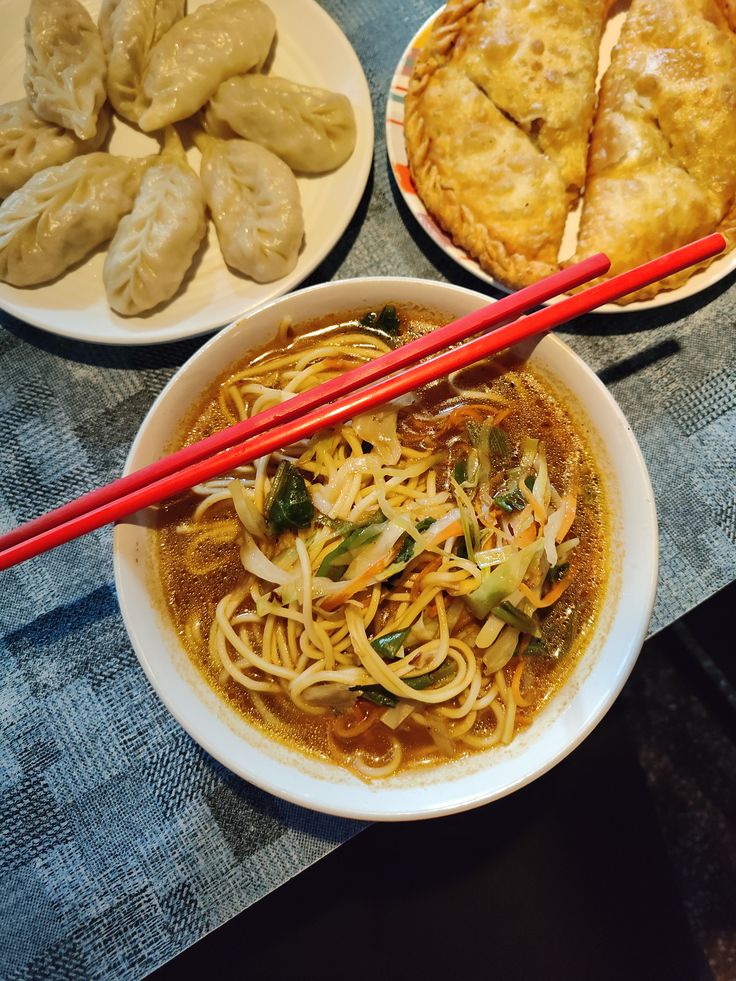
Chinatown is one of my favourite places in India. Whenever I tell people about its history, or simply that a Chinatown exists in India at all, they are surprised. The West does not associate India with Chinese settlement or with Tibetan culture.
So let me start where the whole thing starts.
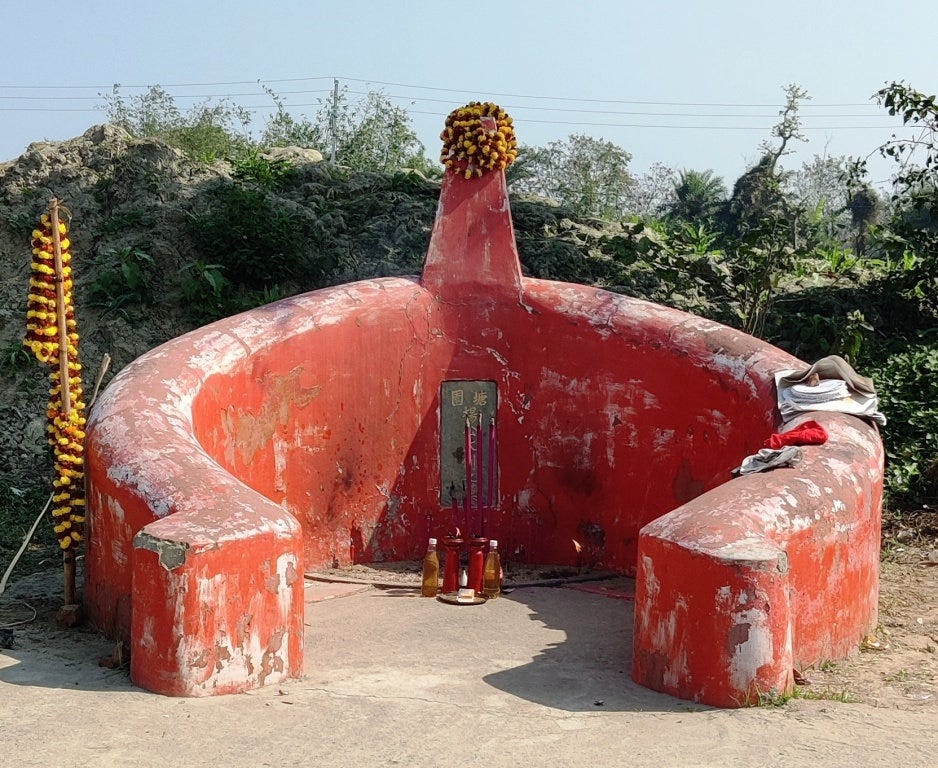
There is a red tomb on the bank of the Hooghly, about 33 kilometres south of Kolkata, shaped like a horseshoe. Every Chinese New Year, people come from Toronto and Melbourne and Hong Kong to burn incense in front of it. The man inside is not there anymore, the river took the original grave decades ago.
His name, as the British wrote it, was Tong Atchew. In Chinese he was probably Yang Dazhao. In 1778 he applied to the East India Company for land in Bengal because he wanted to build a sugar mill. Warren Hastings, who was extremely interested in prising open trade with China, received a chest of tea and granted him 650 bighas (South Asian land measure with no fixed size, since it varied by region and era) at 45 rupees a year (currently 41 cents euro). Atchew brought indentured labourers over from China to work the cane. A settlement grew. Local Bengalis called him Achi, so the place became Achipur, and it kept the name long after the mill was gone.
He died around 1783. Within a few years the sugar operation had evaporated entirely, and his workers walked north to Calcutta, where there was port work, leather work, carpentry, and no landlord. Nothing of the mill survives but what survives is a community, a temple, and roughly two and a half centuries of ancestor worship built on a failed business.
I keep coming back to this story because of what it does to the standard timeline. When people talk about Asian communities in India, they usually start somewhere around 1962 and treat the whole thing as geopolitics. Achipur predates the Bengal famine, the Sepoy Mutiny, the British Crown Rule itself.
Two Chinatowns, and the Italian
India’s first Chinatown is named after a Venetian, Edoardo Tiretta fled Italy over a political offence, drifted to Calcutta in his forties, and made himself useful to the East India Company as a civil architect, map-maker and Superintendent of Roads. He had been part of Casanova’s circle in Paris. He built and owned a bazaar substantial enough to appear on Upjohn’s 1790 map of the city. The Chinese moved into the neighbourhood around the middle of the nineteenth century, sailors from the Indo-China maritime route first, then everyone else, and the name stayed. Tiretta Bazaar. India’s first Chinatown, branded by a Venetian lottery promoter who never saw it.
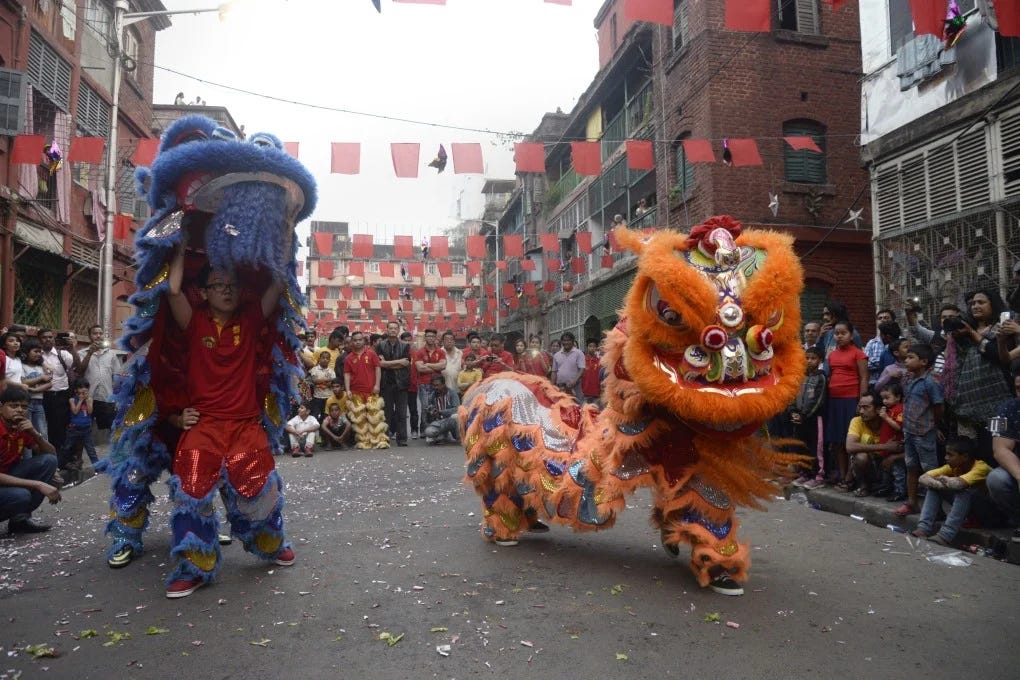
A police census counted 362 Chinese in Calcutta in 1837. By the 1901 British census it was 1,640. At the community’s peak in the mid-twentieth century, estimates run to around 26,250 people.
They did not arrive as one block, Cantonese carpenters clustered around Bow Bazar, and Bow Bazar is still a carpentry street today even though almost nobody working there now is Chinese. There were shoemakers on Bentinck Street, dentists from Hubei, launderers, lard manufacturers. The Hakka went into leather, because leatherwork was ritually polluting for upper-caste Hindus, relegated to communities the caste order had already decided to punish for it. That left an entire industry unclaimed in a colonial city with enormous demand for boots and belts and saddlery. The Hakka took it. By the early twentieth century Tangra held over two hundred tanneries, and Tangra became the second Chinatown, the one most people mean when they say Chinatown today.
So the geography of Kolkata’s Chinese community was shaped by caste, by colonial trade policy, and by who was allowed to touch what.
1962, and the camp at Deoli
In November 1962, a month into the border war with China, the Indian state began rounding up people who looked Chinese.
Roughly three thousand Chinese Indians were put on trains and moved up to two thousand kilometres west, to a disused World War II prisoner-of-war camp at Deoli in Rajasthan, built in 1942 to hold Japanese, German and Italian prisoners. The Defence of India Act and amendments to the Foreigners Act supplied the legal cover. Joy Ma, who co-wrote the definitive account of this with Dilip D’Souza, was born inside the camp.
They were released in phases. The last internees walked out in mid-1967, five years after a war that had ended in a month. Businesses were confiscated or vandalised while their owners were locked up. Some people were deported to a China they had never seen. A number are still stateless in India, renewing residence permits annually and paying for the privilege.
Around the same time, the state sealed Nathu La pass. The pass had been carrying two hundred mules a season between Gangtok and Lhasa, 20-25 days each way, wool and musk and silk coming down, cloth and cereals and dismantled scooters going up. It closed on forty-eight hours’ notice in May 1962 and stayed shut for more than four decades.
The demographic consequence was exactly what you would expect. Kolkata’s Chinese population fell from over twenty thousand to roughly two thousand. Families left for Toronto, Sydney, Hong Kong. When Tangra’s tanneries were pushed out by environmental orders and the move to the Bantala leather complex, the economic base went too, and with it most of the reason to stay.
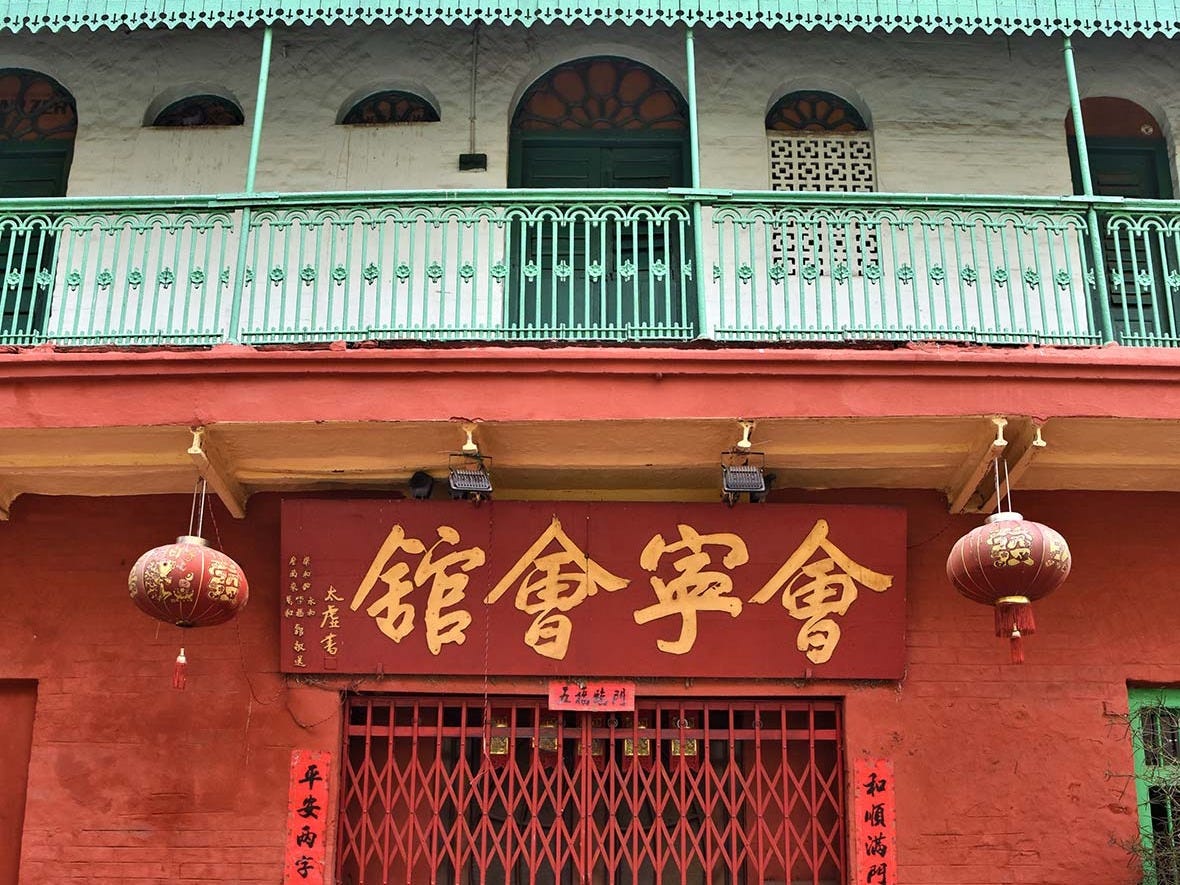
What is left is, Tangra is one of the best places to eat in Kolkata, a hundred-odd restaurants standing where the tanneries used to be, full on a Saturday night, feeding a city that has entirely absorbed the food and mostly forgotten who brought it. Tiretta Bazaar still runs its Sunday breakfast market before dawn. There are temples, community clubs, and a heritage gallery in the works. What has thinned is the population holding all of it up: roughly two thousand people, sustaining a cuisine that the rest of India eats several times a month without thinking about it.
The Tibetan’s culture and the kingdom that was already there
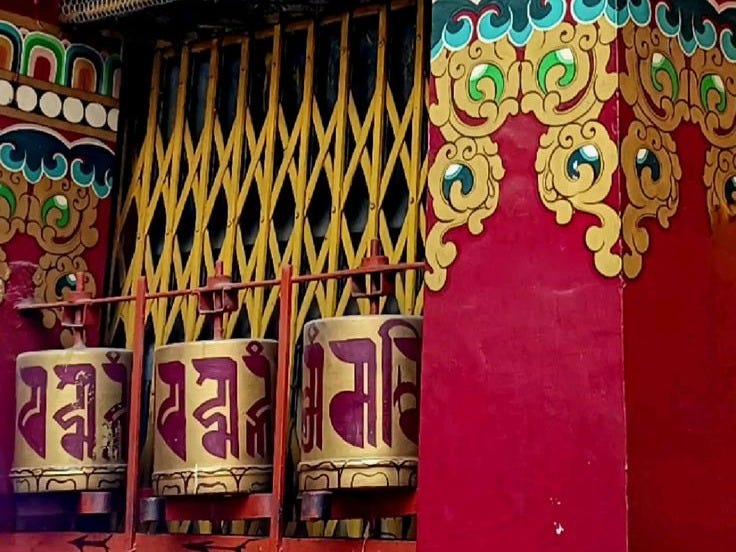
The other migration everyone half-knows is 1959. The Lhasa uprising in March was crushed, the 14th Dalai Lama crossed into Tawang, and something in the order of eighty thousand Tibetans followed him over the Himalaya into India, Nepal and Bhutan. UN figures from the period put around 7,500 in Sikkim and Bhutan. On 2 October 1959, the Tibetan Refugee Self-Help Centre opened on a hillside in Lebong, above Darjeeling, and it is still operating. Delhi’s Majnu ka Tilla filled with refugees through the 1960s. Today the Central Tibetan Administration counts roughly 40 settlements across 12 Indian states and about 90,000 people in them.
Also here is a correction I want to make, because food writing gets this wrong constantly.
Tibetan food in Sikkim came with the Bhutias who came south from Kham, in eastern Tibet, from the thirteenth and fourteenth centuries. Khye Bumsa, a prince from the Minyak house, made an alliance with the indigenous Lepchas. His fifth-generation descendant, Phuntsog Namgyal, was crowned the first Chogyal at Yuksom in 1642, founding a Buddhist kingdom that ruled until Sikkim joined the Indian union in 1975.
So when you eat phagshapa in Gangtok, you are not eating refugee food, but eating the cuisine of a 400 year old kingdom that happens to sit inside modern India, on a plateau where the cooking logic was set by altitude, cold, and the absence of much that grows below two thousand metres.
What Sikkim actually eats
Phagshapa is the dish I would put in front of anyone who thinks Indian food means gravy. Strips of pork fat, slow-cooked for the better part of an hour with dried radish and dry red chillies, and no added oil, because the pork is the oil. The name is Bhutia, from phag, pork. It is smoky, sharp with chilli, unapologetically rich, and eaten with plain steamed rice because it does not need anything else.
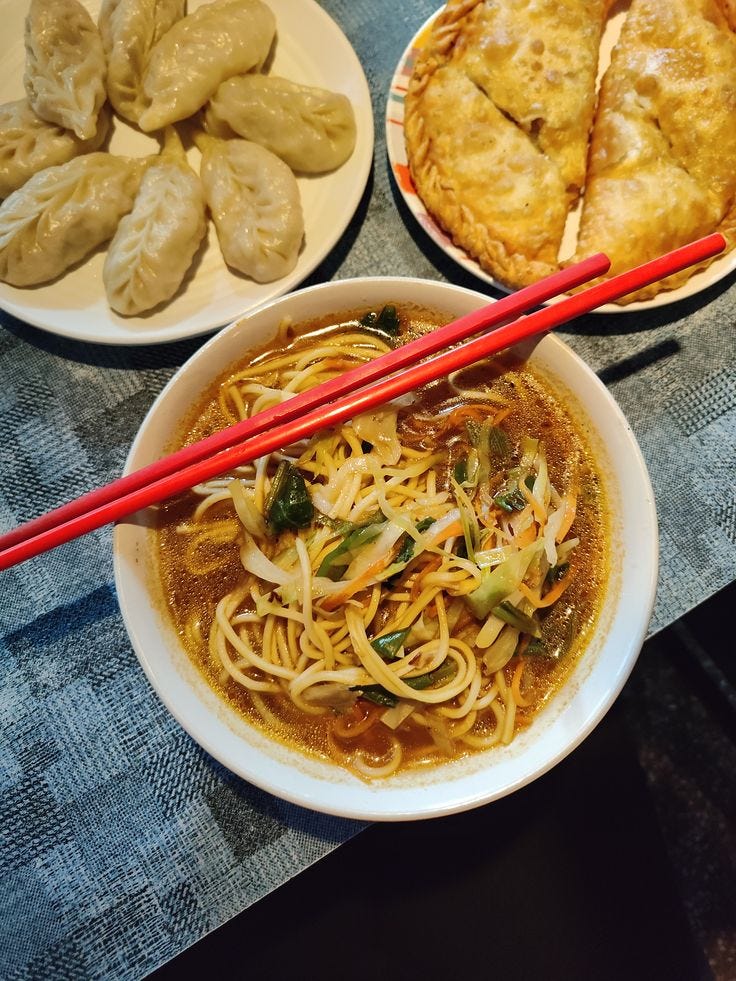
Then the noodle family, which is genuinely one of the great underrated categories in Indian food. Thukpa, the broth-and-noodle standard that crosses every community line in the state. Gyathuk, thicker, hand-rolled. Thenthuk, where the dough is torn into the pot rather than cut. Sha phaley, bread stuffed with meat and cabbage and fried. Ting mo, steamed rolls, eaten with anything wet. Churpi soup, built on cubes of yak or cow cheese with garlic and timur. Khapse fritters at festivals. Chhaang, fermented millet, hot water poured over it, drunk through a bamboo straw.
Running alongside all of it, the Nepali kitchen: gundruk, sinki, kinema, sel roti, dal bhat, tama curry with fermented bamboo shoot and underneath both, the Lepcha relationship with the forest that predates everyone.
The momo, meanwhile, went national. The name comes from the Tibetan mog mog. It moved into the Indian plains through Tibetan and Nepali migration, out of refugee-colony kitchens in Majnu ka Tilla and the Darjeeling hills, onto street carts in Delhi and Kolkata and Pune, and by the early 2000s it was everywhere. There is now a tandoori momo, which nobody in Lhasa requested, and a listed company built on selling them. A dumpling made for monks crossing high passes is now what Indian teenagers eat outside coaching centres. That is what a living cuisine does. Also Momo is one of my favourite dish that my friends named me Momo.
And so, curry powder
In 1747, Hannah Glasse published a recipe in London for “currey the India way.” It contained pepper and coriander. That was the entire spicing. Turmeric and ginger arrived in the fourth edition in 1751, and by the 1770 edition the coriander was gone. An English writer who had never set foot in India was assembling a national cuisine in public, one reprint at a time.
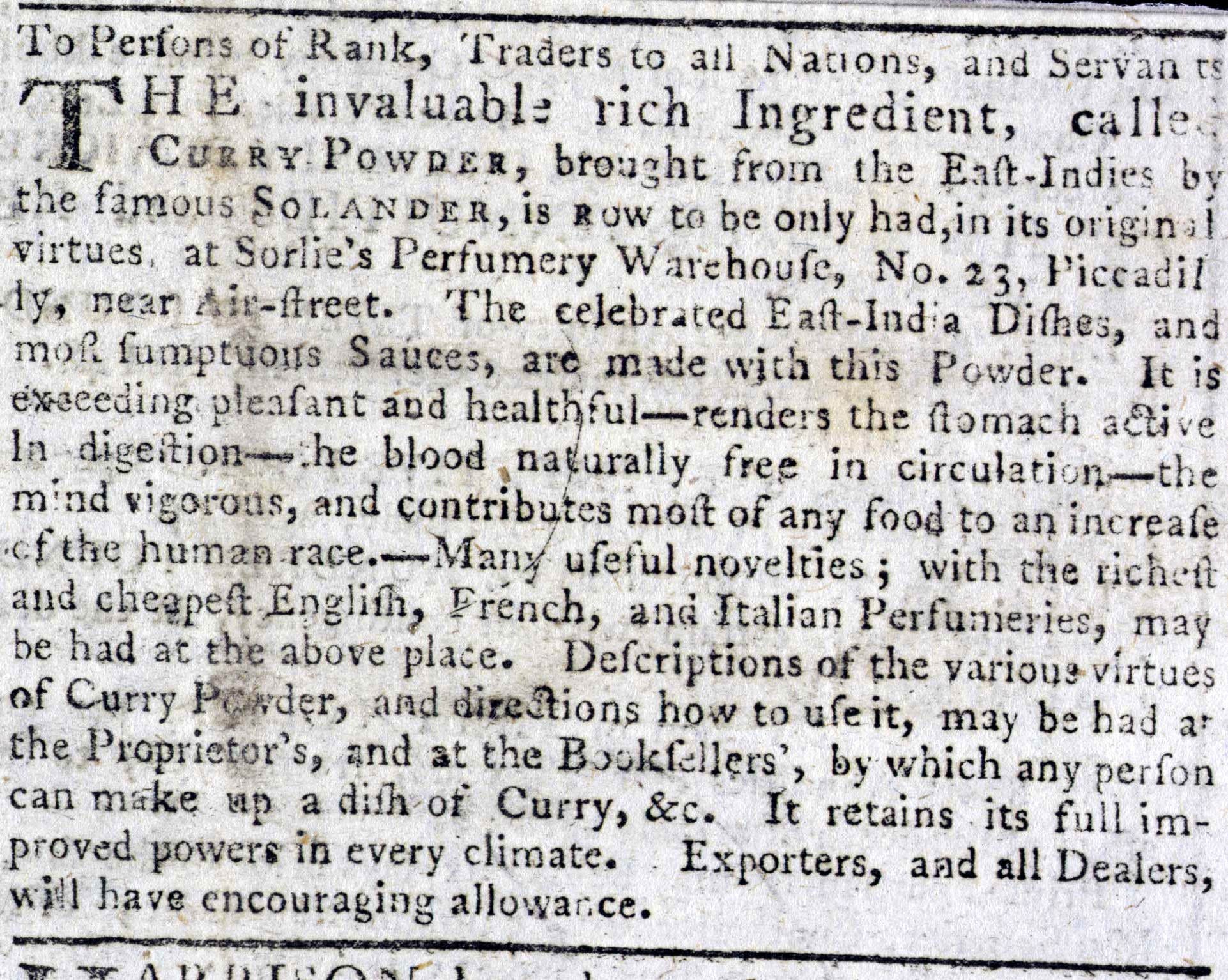
In 1784, Sorlie’s Perfumery Warehouse on Piccadilly ran an advertisement for a product called curry powder, and the pitch was not flavour, because Georgian Britain had talked itself into distrusting spice. The pitch was medical. Sorlie’s promised that the powder made the celebrated East India dishes, kept the stomach active in digestion, the blood free in circulation, the mind vigorous, and, in the period’s own delicate phrasing, contributed more than any other food to an increase of the human race. They were selling libido with the turmeric. It is the first known commercial curry powder advertisement in England. Crosse & Blackwell followed. Sharwood’s was founded in 1889. The tin became the thing.
Lizzie Collingham puts it plainly in Curry: A Tale of Cooks and Conquerors, no Indian would have described their own food as a curry. The category was imposed because Indians named dishes, like: rogan josh, dopiaza, qorma, ishtu, kadhi, dhansak, undhiyu. The British needed one word and one powder, because learning the actual system was expensive and slow, and because an empire runs on standardisation.
Curry powder is not an Indian recipe.
Nelson Wang, born in Kolkata in 1950 into the Hakka community that came out of Achipur and Tiretta Bazaar and Tangra, was working as a caterer at the Cricket Club of India in Bombay. A guest asked for something not on the menu. Wang started the way an Indian dish starts, with chopped garlic, ginger and green chilli, and then instead of reaching for garam masala he reached for soy sauce, cornflour and the deep-frying technique Hakka cooks in Kolkata had been refining for generations. He called it Manchurian. Within a decade it was on menus from Amritsar to Kochi, and gobi Manchurian became the vegetarian version that arguably out-ran the original.
Two hundred years apart, two things happened to Indian food. In one, an outside power compressed a thousand regional systems into a yellow powder for its own convenience and sold it back to the world as authenticity. In the other, a Chinese Indian chef in Bombay took what his grandparents brought from Guangdong, ran it through a Bengali flavour base, and invented something India promptly claimed as its own.
So the next time someone at a dinner table says “curry powder,” or asks you whether Indian food is not all basically the same thing, you have options. You can mention that India contains a Chinatown older than the Tour Eiffel, whose founder came for sugar. That its Chinese community was interned by its own government and never fully returned. That a kingdom in the eastern Himalaya has been cooking pork fat with dried radish since before the Mughals finished building Delhi. That the most popular street snack in the country arrived in the pockets of refugees.
Or you can just say: curry powder is what happens when colonisation happens.
Sources
Achipur and Tong Atchew Google Arts & Culture / Live History India, “Achipur & India’s First Chinese Settler” Scroll.in, “The legend of Tong Atchew, the first ancestor of the Chinese in India” (2017) West Bengal Tourism, “Achipur, Bengal’s first Chinese outpost” (2022) Wikipedia, Achipur Chinese Temple
Tiretta Bazaar, Tangra and community history Wikipedia, Tiretta Bazaar; Edoardo Tiretta Indian Express, “Streetwise Kolkata: Tiretta Bazaar, a Chinatown named after an Italian” (2019) GetBengal, “How come a bazar in Kolkata’s Chinatown was named after an Italian” The Week, “Rediscovering Kolkata’s Chinese heritage: The untold story of its first Chinatown” (2026) The Diplomat, “The 1962 Internment of Chinese Indians” (2020), citing Ellen Oxfeld on occupational groupings Cambridge University Press, “A Heritage Gem Sits in the Heart of a City, Unacknowledged, Incognito,” in Records, Recoveries, Remnants and Inter-Asian Interconnections
Deoli and 1962 Joy Ma and Dilip D’Souza, The Deoliwallahs: The True Story of the 1962 Chinese-Indian Internment (2020) Wikipedia, Internment of Chinese Indians Scroll.in, “The shameful story of how 3,000 Chinese-Indians were put in a detention camp” (2020) ThePrint, excerpt from The Deoliwallahs (2020) IPCS, “India, China and the Nathu La: Converting Symbolism into Reality” Britannica, Gangtok
Tibetan migration and Sikkim Central Tibetan Administration, tibet.net, “Tibet, Tibetan Refugees and the Way Ahead” Migration Policy Institute, “South Asia’s Tibetan Refugee Community Is Shrinking” (2024) Wikipedia, Tibetan Refugee Self-Help Centre; Phuntsog Namgyal; Khye Bumsa; Chogyal; Majnu Ka Tilla Britannica, Phuntsog Namgyal
Sikkimese and Tibetan food OurGuest, “Cultures of Sikkim” explurger.com, Sikkim and Gangtok food guides (2026) Innercall, “Who Are the Bhutias? Exploring the Founding Community of the Sikkim Kingdom” Vice, “Tibetan Refugees Are the Masterminds Behind Delhi’s Favorite Dumplings”
Curry powder and Indian Chinese food Lizzie Collingham, Curry: A Tale of Cooks and Conquerors (Oxford University Press, 2006), p.115 Colleen Taylor Sen, Curry: A Global History (Reaktion, 2009), p.39 Hannah Glasse, The Art of Cookery Made Plain and Easy (1747, 4th ed. 1751) Advertisement for Sorlie’s Perfumery Warehouse, Morning Post, 1784, British Library Wikipedia, Curry powder; Curry in the United Kingdom; Nelson Wang; Manchurian (dish) South China Morning Post, “How chicken Manchurian found its place in Indian cuisine” (2017) Vice, “Inside the Birthplace of Indian-Chinese Cuisine”


Leave a Reply