

I must have been in third standard, maybe fourth, when I found the channel that quietly rewired the rest of my life. We had cable television back then, and somewhere between the Hindi film countdown shows and the cricket highlights sat a channel called VH1. For a child growing up in India in the early 2000’s, VH1 was not entertainment so much as a passport. It was the only place I had ever seen America move, sound, and dress the way it actually did, unfiltered by anyone trying to explain it to me first.
That is where I found hip hop. Artists like Kanye West, Snoop, Wiz Khalifa was always on the screen and somewhere in the mix a few years later once I was old enough to notice production as much as personality. I did not understand half the references. I definitely did not understand the economics, the politics, the decades of struggle and invention that had built the genre long before it reached a television set in my living room. What I understood, in the way a child understands anything that matters, was that this music sounded like it was telling the truth. It did not perform politeness. It had bass you felt in your chest before you registered it as sound. I would sit cross legged in front of that television and absorb it the way you absorb a language you are too young to know you are learning.
I bring this up because I think about that kid a lot now, twenty-odd years later, standing in a Champagne cellar in the Marne valley listening to hip hop played at a volume that would have scandalised most of the sommeliers I trained under. The distance between those two rooms is the whole story, I want to share.
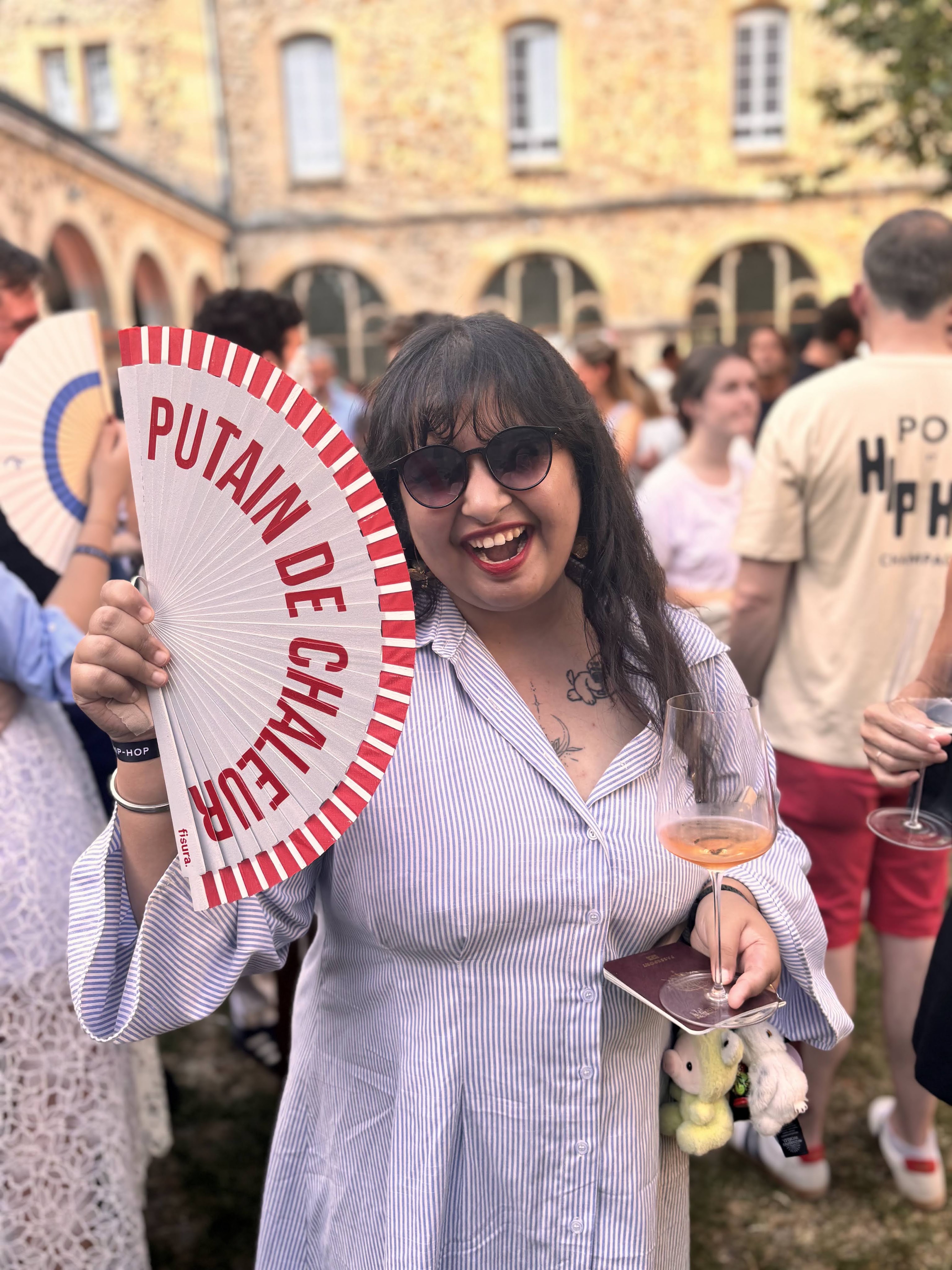
Somewhere in the middle of that distance sits my Wine and Music class during my master’s degree. It was, without exaggeration, my favourite subject of the entire degree. I could not get enough of it, because it confirmed something I had suspected since I was a child watching VH1 with no other frame of reference: sound does not just accompany what happens in a glass; it changes it.
The psychologist Adrian North built a career out of proving this. In a study published in the *British Journal of Psychology*, he had participants drink the same wine while different styles of music played in the background. When the music was loud and dramatic, drinkers rated the wine as up to sixty per cent more powerful and full-bodied than when the room was silent. Same liquid, same glass, same person tasting it, and the only variable was what was coming out of the speakers. North had already shown something even stranger back in 1997, when he and his colleagues played French accordion music and German oompah music on alternating days in a supermarket wine aisle. Shoppers had no idea they were being studied. On the days French music played, French wine sold out, German wine roughly five bottles to one. Flip the music, and the ratio flipped with it. Nobody in that shop thought they were choosing a wine because of what was playing overhead, but they were.
I think about that research more than I think about most of what I studied, because it dismantles a very specific piece of snobbery: the idea that what you hear while you drink is trivial, a mood-setting exercise with no bearing on the serious business of tasting. It is not trivial; it is data, and if sound genuinely changes what we taste, then the question of which sounds the wine world has historically welcomed into the room, and which it has kept firmly outside it, stops being a matter of preference and starts being a matter of who gets to shape the experience at all.
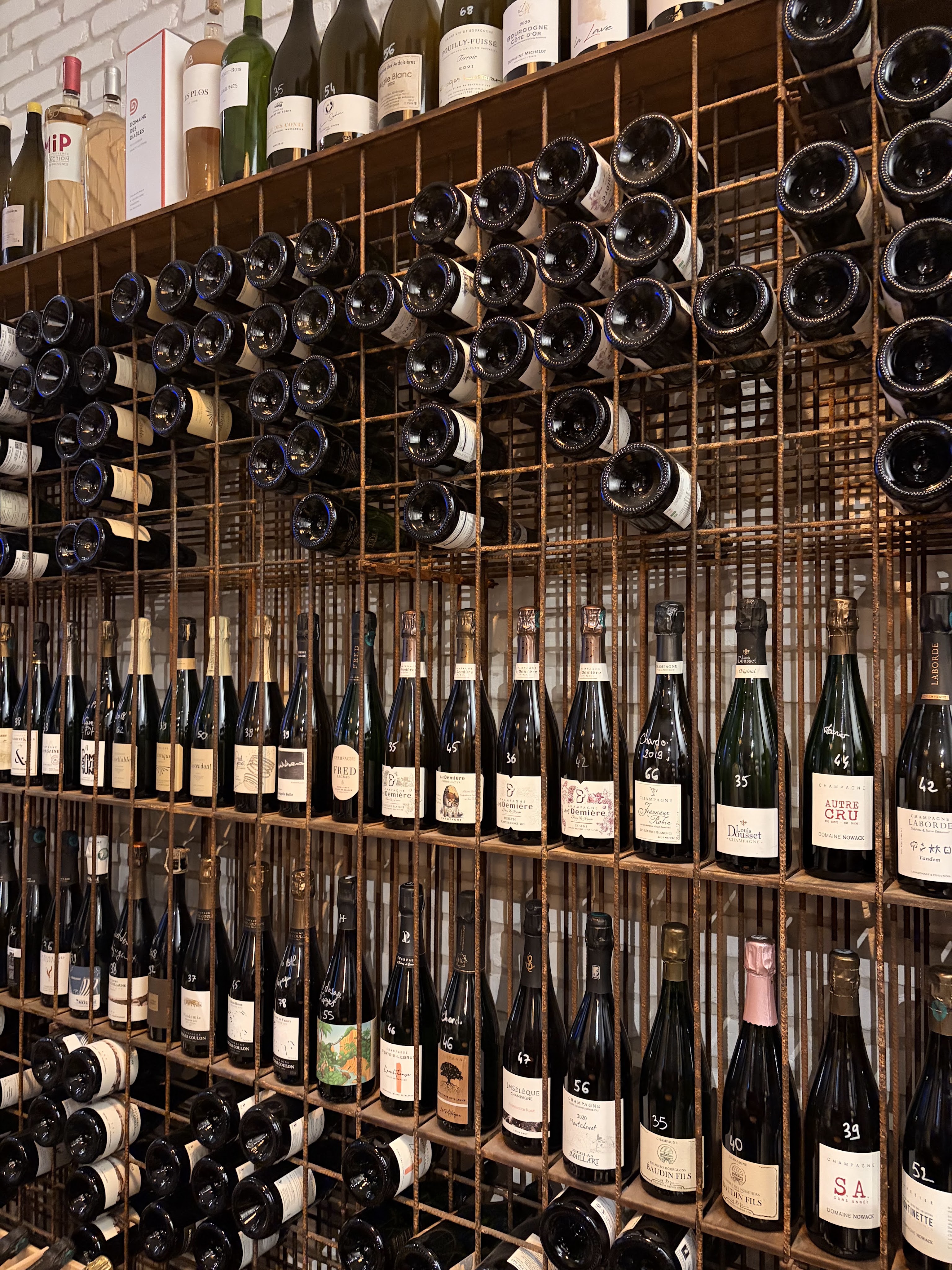
Here is the tension I keep circling, and I want to actually work through it rather than hand you a tidy conclusion, because I do not think the honest answer is tidy. Wine has always paired well with jazz. Candlelit dinners, tasting rooms, the soundtrack of every wine bar that wants you to know it is serious: it is jazz, or it is classical, occasionally something acoustic and vaguely folk adjacent if the venue wants to seem approachable. Hip-hop was, for decades, kept firmly out of that room. Not banned exactly, just never invited, the way certain guests are never explicitly told to stay away and simply never receive the invitation in the first place.
The obvious read is that this is about race, full stop, and I understand why people reach for that read first. But it does not fully hold up, because jazz has Black roots every bit as real and as foundational as hip-hop’s. Jazz was once the disreputable music, the one respectable household warned their children away from, the one played in the kinds of rooms polite society pretended not to know about. Somewhere across the following century, jazz got smoothed into acceptability. It picked up institutional backing, university departments, and decades of critics writing about it as art rather than noise. Hip hop has not had that century yet. It is still, relatively speaking, young, and it carries an unapologetic, unsmoothed energy that jazz eventually lost, whether you count that as jazz’s loss or its evolution depends on who you ask.
So, if it is not simply race, what is it? I think it is proximity to power dressed up as taste. Jazz’s edges got filed down by exactly the institutions that decide what counts as sophisticated, and once an art form has been through that machine, it becomes safe to serve alongside an expensive bottle of Bourgogne without anyone in the room feeling their sense of order threatened. Hip-hop has not been through that machine, not fully, and I would argue it should resist it rather than seek it. But that resistance is precisely what has kept it coded as unserious in rooms that decide seriousness by how comfortable the powerful feel. Wine and hip-hop pairing is not a novelty crossover. It is two cultures that were always going to end up in the same room once enough people stopped waiting for permission to put them there.
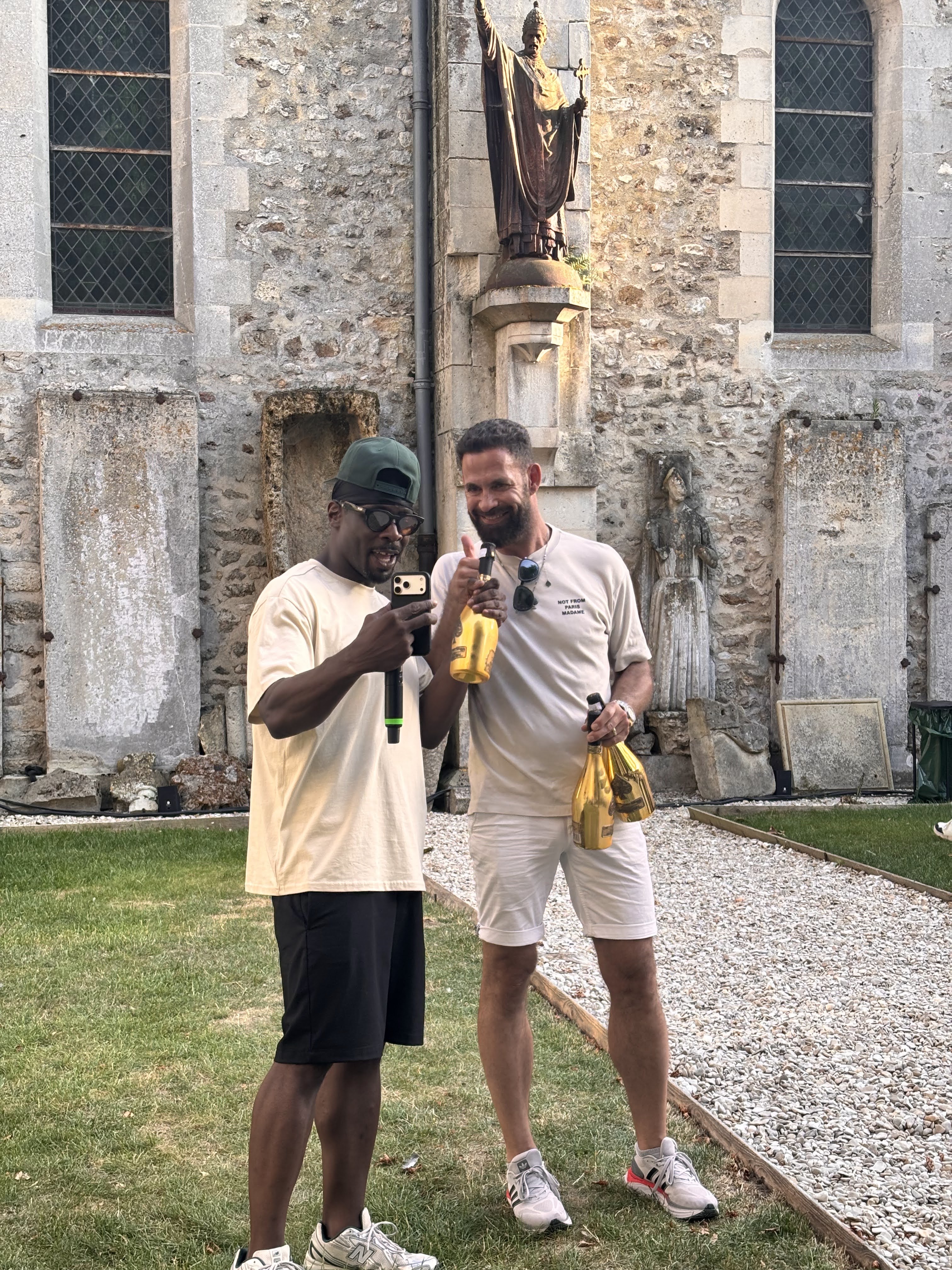
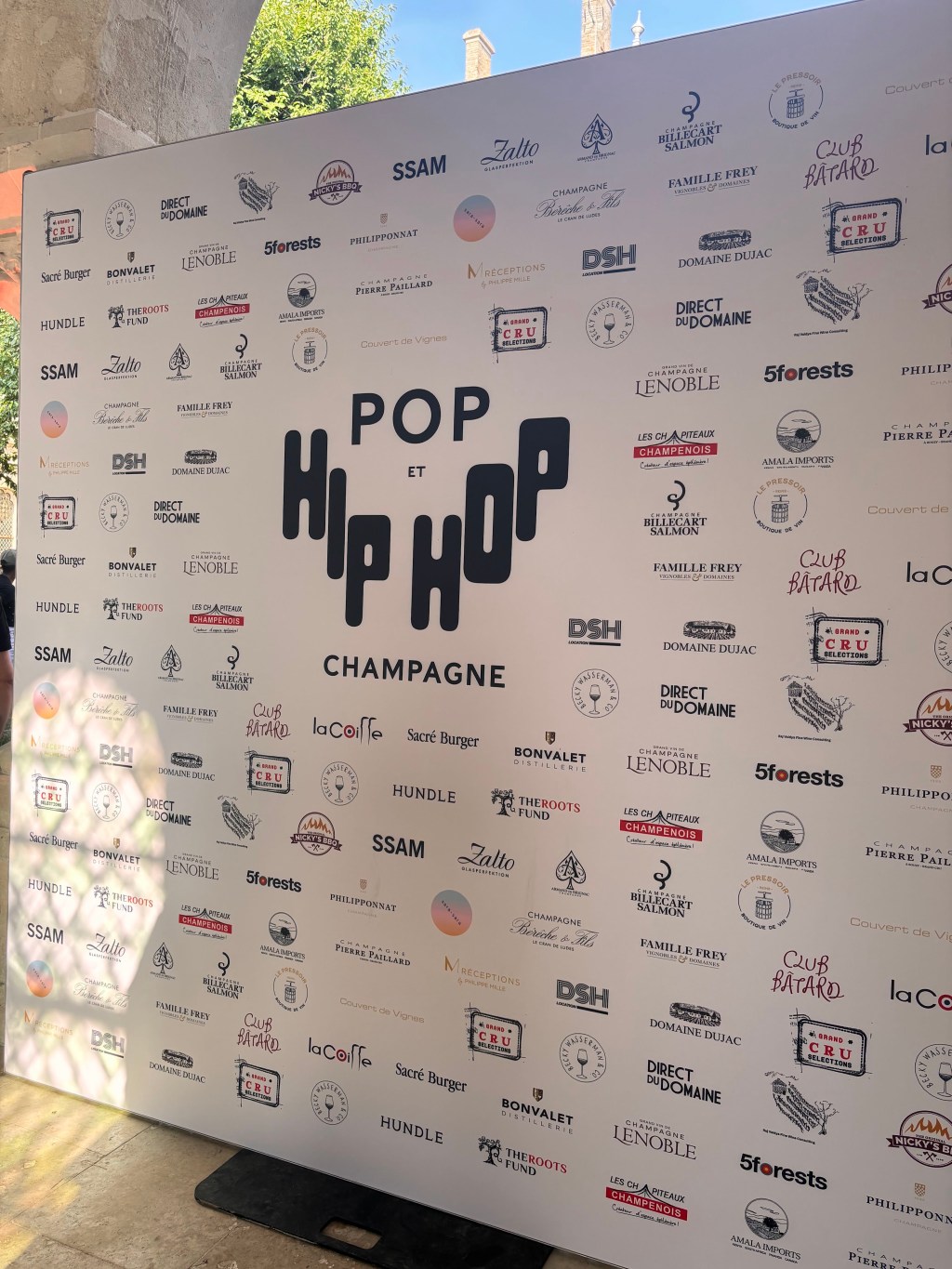
Which brings me to the 23rd of June this year, standing in Prieur de Binson, a priory tucked into the Marne valley in Champagne, at an event called Pop et Hip-hop.
The room itself did the arguing better than any speech could have. Champagne poured freely, bass running underneath conversation instead of over it, a mix of people who would rarely be photographed at the same table: winemakers, sommeliers, DJs, journalists, hip-hop heads who had never set foot in a Champagne cellar before that day and left understanding exactly why the region guards its terroir the way it does. Nobody was surprised that the pairing worked. It simply worked, the way things work when two cultures that share more instincts than either side has admitted actually get in a room together.
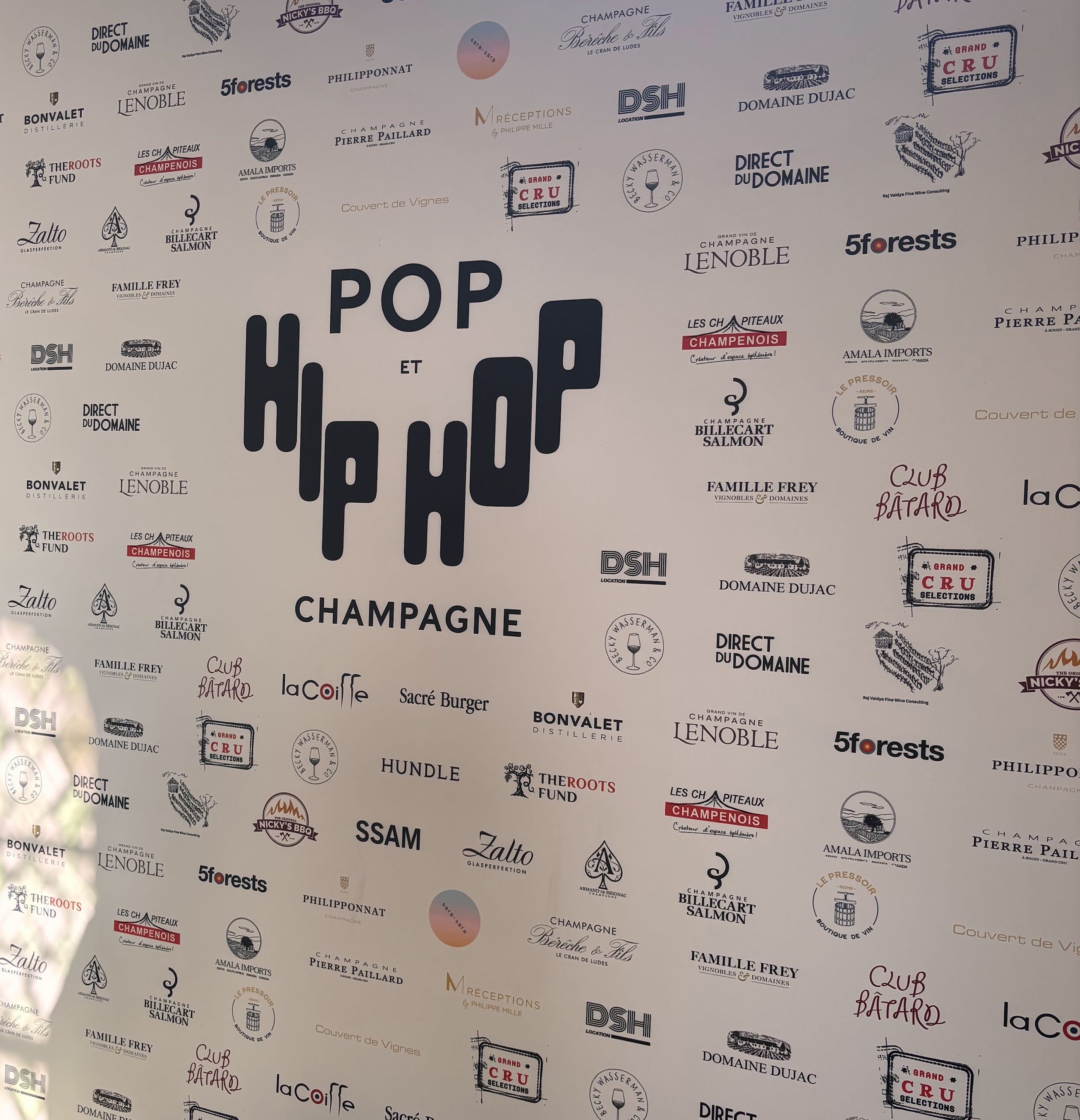
I put this to Mathieu Roland-Billecart afterwards, because a family house making Champagne since 1818 deciding to shake up the codes is not a small thing, and I wanted to know whether he saw the evening the way I did. Mathieu, seventh generation at the helm and better known to a lot of people as Mr. Billecart on Instagram, where he is far more social and far less starchy than his job title suggests, told me the house had been among the first estates to commit when the event launched in 2025, and that renewing this year felt entirely natural. The starting point, as he described it, was a group of exceptional winemaker friends already involved in the first edition who wanted a family house with international reach in the room, and an event that brought “a new, unifying and inclusive breath of air to our beautiful Champagne.” (Translated from French.)
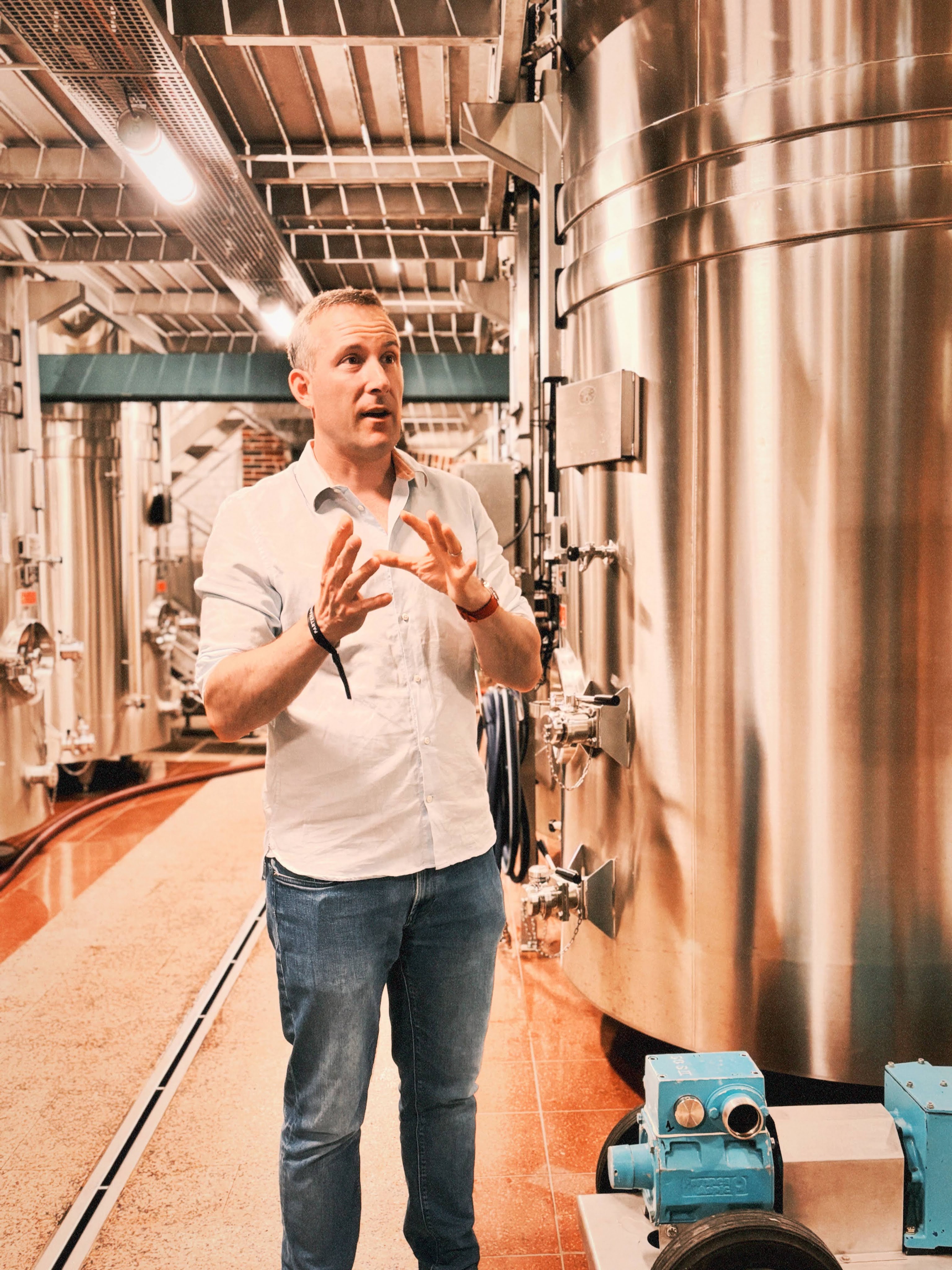
What he said about the crowd stayed with me, because it names the exact thing I keep circling. One of the event’s real strengths, he told me, was “its ability to appeal both to wine lovers, of Champagne but not only, and to hip-hop fans,” two audiences the industry has spent decades treating as though they live on opposite sides of a wall. And when I asked the question I actually cared about, whether pairing Champagne with hip-hop changes who feels welcome around wine or is simply a lovely night out, Mathieu did not reach for the safe answer. “I find it interesting to shake up the codes a little,” he said, “by pairing Champagne with different but complementary worlds,” ones built for sharing and conviviality rather than gatekeeping. He called it a human adventure as much as a wine one, credited the Hautes Côtes team and Jérémy Seysses for carrying it with real energy and sincerity, and said Billecart-Salmon is always glad to back initiatives that give wine a positive, contemporary image.
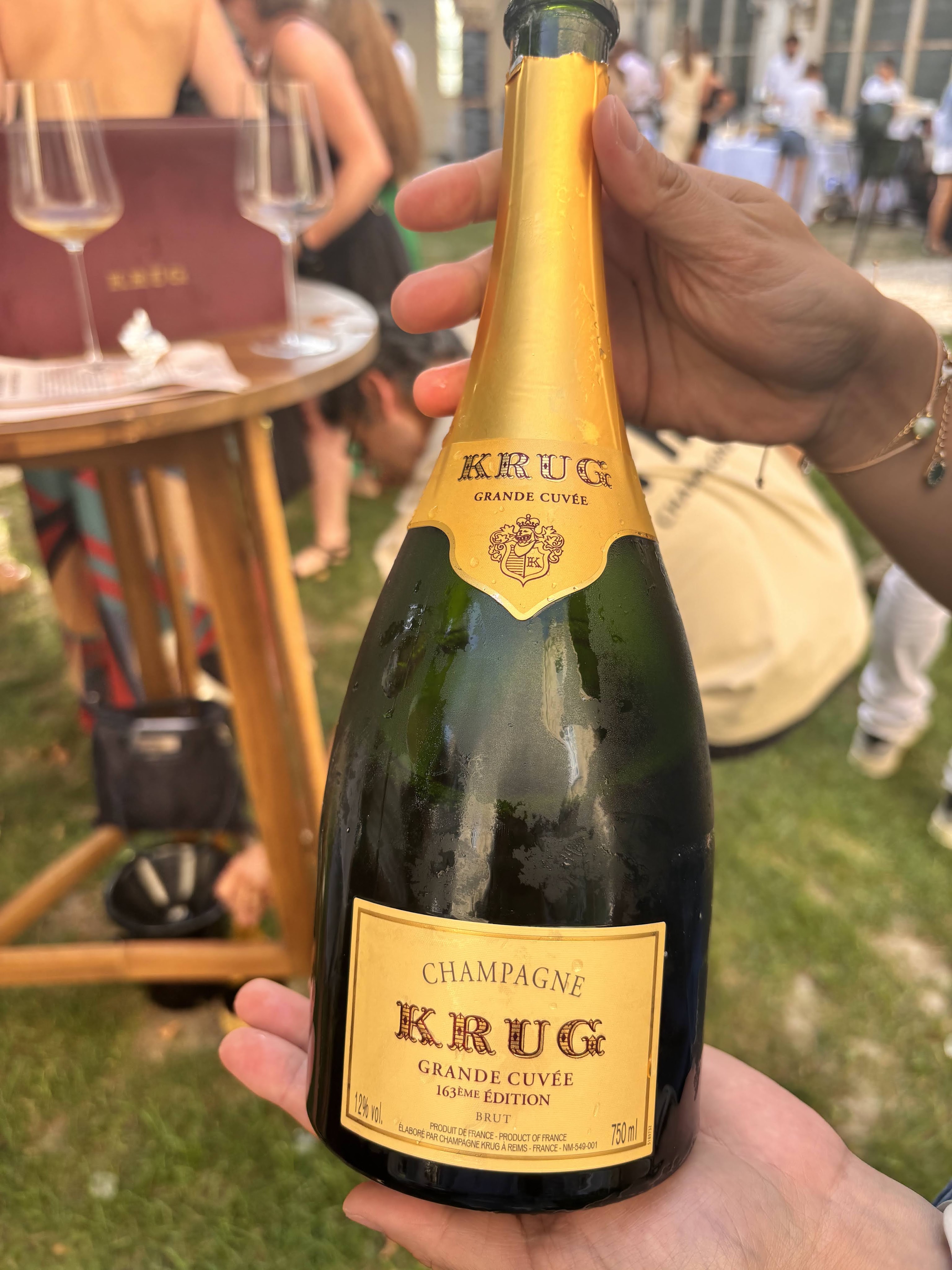
Hip hop’s relationship with fine wine is not a recent trend. It is decades deep, and much of it was built by artists who were told, explicitly, that they were not wanted at the table before they went and built their own.
I already know I will be there for the next edition, and I already know some part of me will be standing in that room thinking about a kid in front of a television set in India, watching a channel called VH1 because it was the only door into that world she had. She had no idea, back then, that the music coming through that television would end up sitting in the same glass as the wine she would spend her adult life studying. She would have laughed if you had told her. Two worlds she had been quietly taught did not belong together turned out to have been circling each other the whole time, waiting for someone to finally put them in the same room and let them prove it.


Leave a Reply